I am pleased to announce that on February 7th, 2023, I am releasing my fourth album/first EP named Techknow.
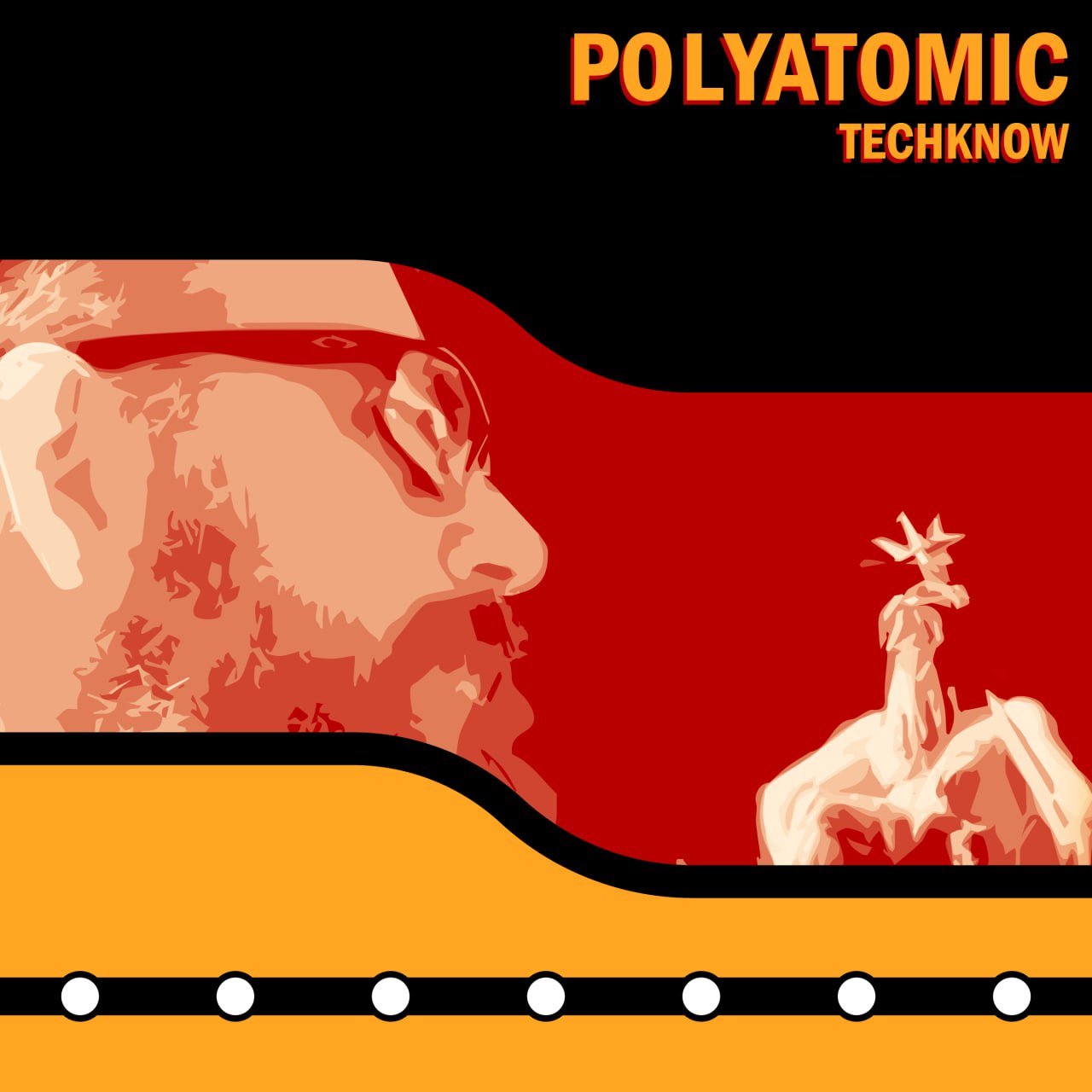
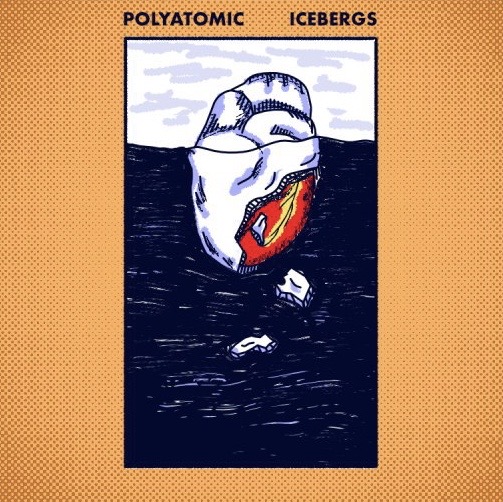
Techknow was written, mostly, during the COVID-19 pandemic. Coming out of the Icebergs sessions, which were deep in thought and very intense, I needed to write tracks that were a little more fun and almost mindless. Just write, don’t think too much, have fun and play with the instruments all while telling a story.
Techknow is a vastly different album yet still typically Polyatomic. This time, my inspiration was my time in Europe between March 2019 and March 2020, and in particular Berlin, Germany. I really do need to thank my day job and the client I was travelling for, who are the main reason I was in Europe and was able to travel around so much.
This EP is way more inspired by harder techno and acid house than cinematics and trance, yet both are also present because that’s my style.
I wanted to use more modular techniques, different sound generation techniques such as FM synthesis, and use hardware sequencers rather than working fully in the DAW.
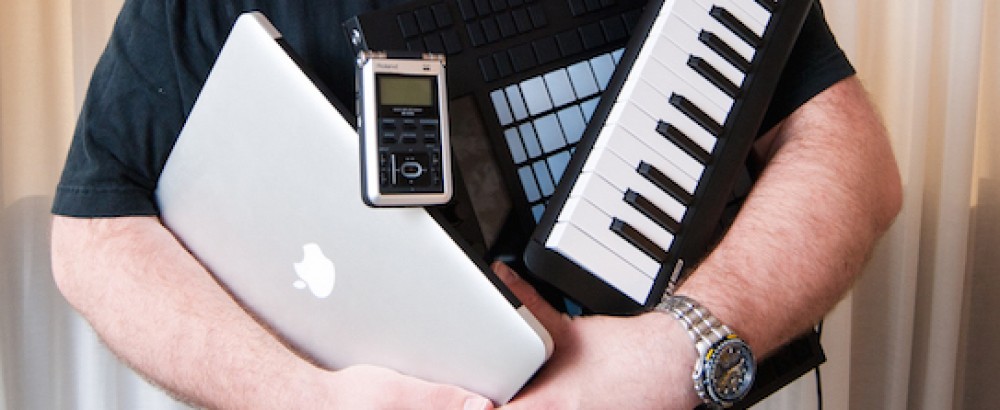
Mini synths like the Korg NTS-1 and the Volca series, which are amazing, and all over this album. I was completely surprised by a Teenage Engineering OP-Z purchased during the COVID-19 pandemic.
Of course, soft synths certainly make an appearance too such as Apple’s ES P, ES2 and you can’t forget Alchemy. Software is vital and everything ends up in the DAW for the final mix down.
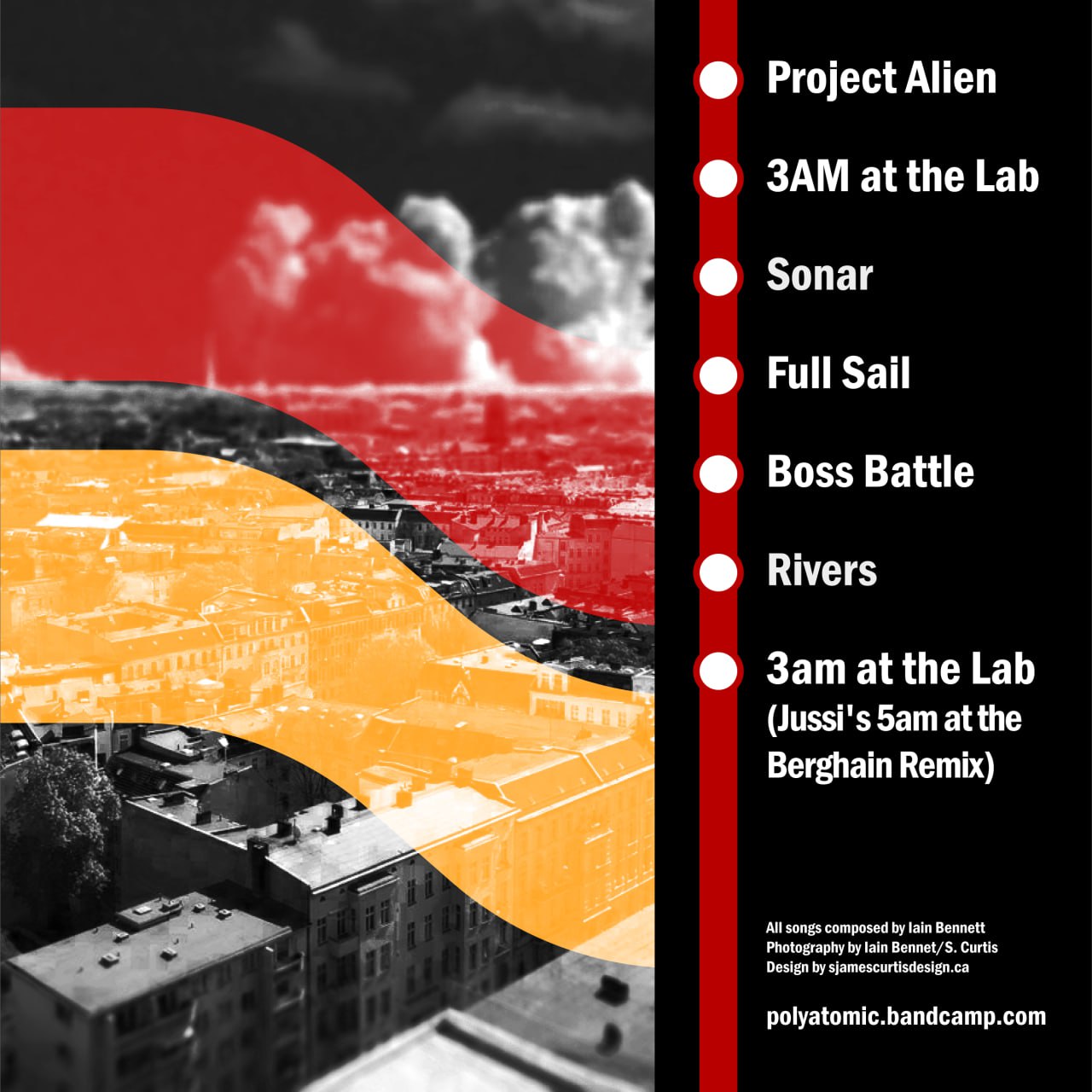
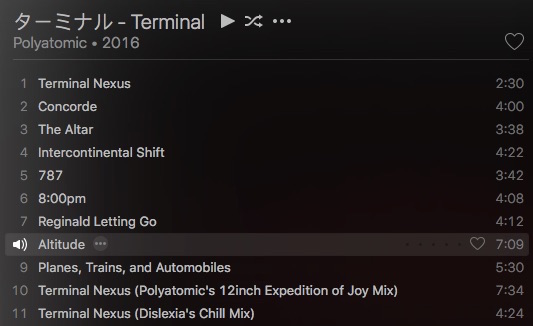
Project Alien was started during the Terminal sessions. The intro sounded very sci fi, dark, maybe a dreary night, an alien ship arriving, opening up… One of my typical cinematic soundscapes with a bit of edge that takes you on a journey.
Somehow the aliens have abducted you to take you to their Berghain. Walking in you hear 3am at the Lab. Anyone into techno these days is familiar with the Berghain and others may know Lab.Oratory. This is my homage to both. This was almost completely written on a Teenage Engineering OP-Z with help from a Roland TB-3. That OP-Z blew me away and is definitely a favourite piece of kit. Jussi’s remix at the end of the album takes the track further into Berghain territory with his remix which is amazing!
Now it’s time to chill with Sonar, a bit of a trance track, inspired by the oceanic themes from the Icebergs sessions. This time, going underwater. This track goes a fair ways back in terms of Polyatomic history. It’s always good to keep tracks you’re stuck on, finding new life much later. This used the Korg NTS-1, Volca Beats and FM heavily for sound sources.
Full Sail was also inspired by the oceanic themes from the Iceberg sessions, this is a crunchy sounding track, probably the most accessible on the album. Much thanks to Andreas Gregor (Techniques Berlin, Digital Poodle) for the Roland SH-201 featured on this track, now part of my collection!
Every time I listen to Boss Battle, I think of someone trying to win a boss battle mashed up with Super Smash Brothers while on psychedelics. Believe me, I wasn’t on anything when putting this together, just a very vivid imagination. Music, especially when I’m writing it can put me into a state of euphoria, and this track certainly did with Izotope/BT’s Stutter Edit and Breaktweaker.
Rivers is a quieter trance track to close out the album, save for Jussi’s remix of of 3am at the Lab. I’d love to hear this playing in a club sometime. Valhalla reverb is sublime at what it does.
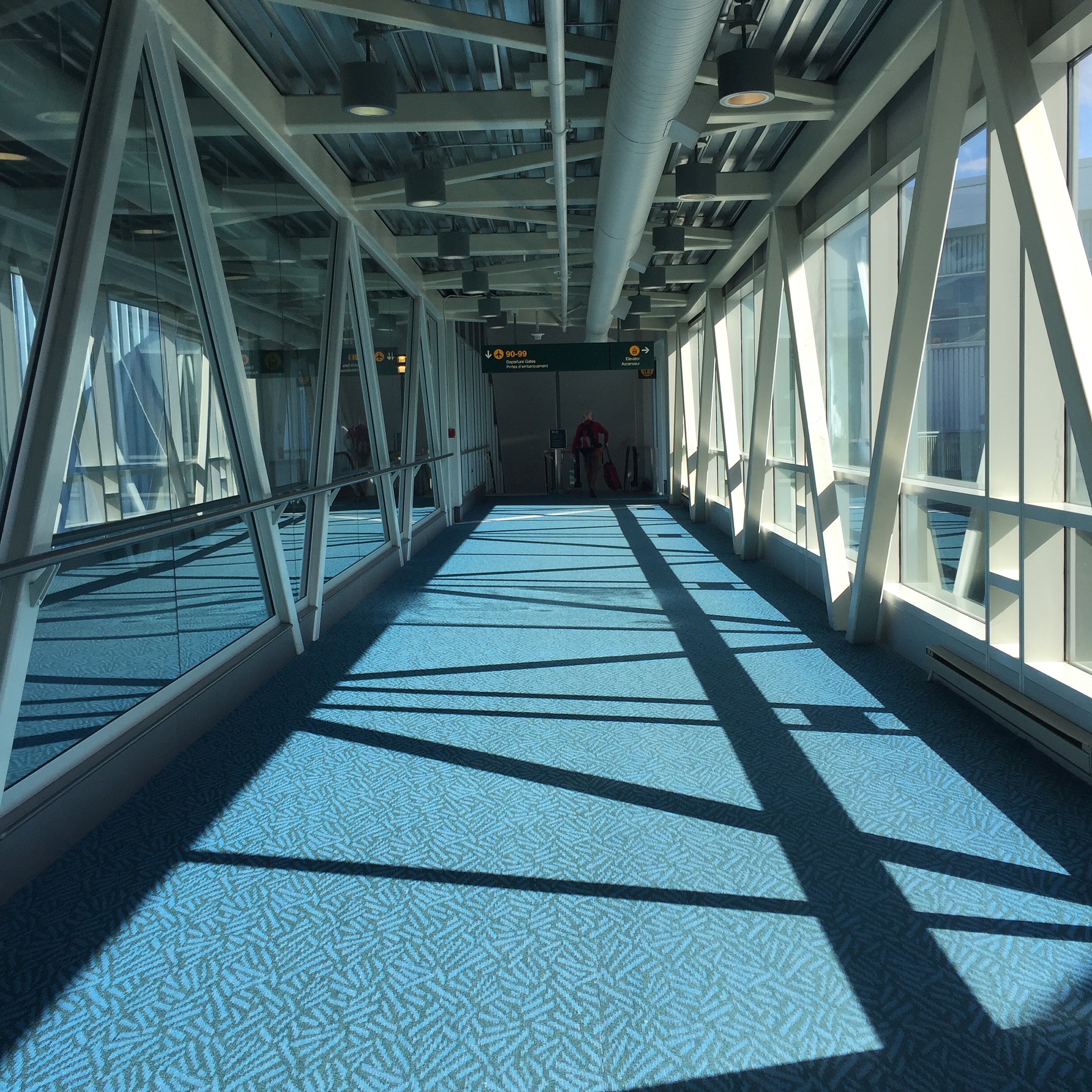
The artwork is all inspired by Germany and Berlin; the cover photo being a selfie I took at Neptunbrunnen, and the rest of the photos all from my time in Berlin in 2019.
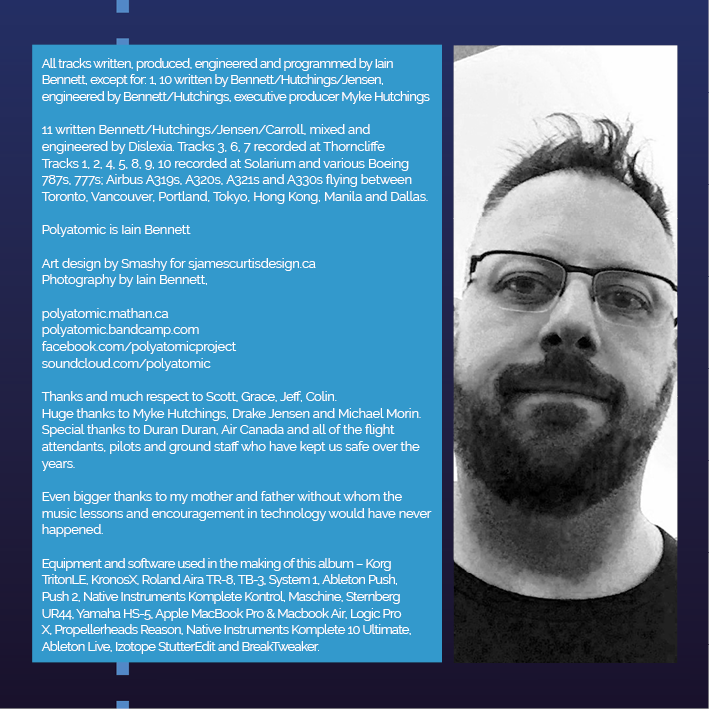
All tracks written, produced, engineered and programmed by Iain Bennett, except for:
7 written by Bennett/Jussi, engineered by Bennett/Jussi, mixed and engineered by Jussi
All tracks recorded at Synthcave and Solarium
Polyatomic is Iain Bennett
Design by S. James Curtis Design
Thanks and much respect to Scott, Smashy, John, Sté, Andrew, Andreas, Jussi, Mark, Dougie, Laura and Joe.